Introduction: The Fall of the Bubble Wall
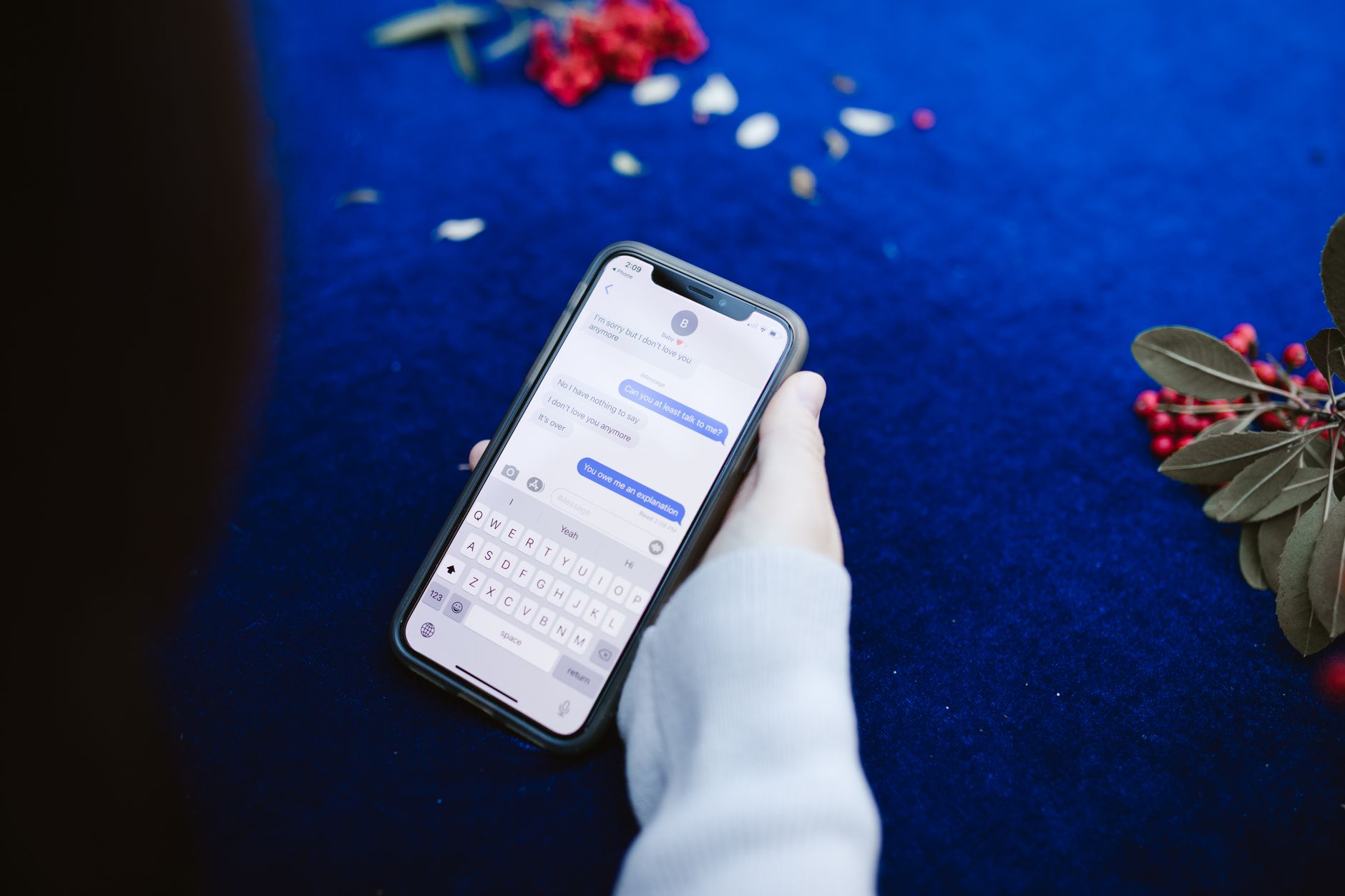
For over a decade, the world of mobile messaging was split into two irreconcilable camps. On one side, Apple's closed ecosystem with iMessage and its famous "blue bubbles," offering encryption and rich functionality. On the other, the Android world, long confined to archaic SMS or fragmented RCS, condemning mixed exchanges to "green bubbles" devoid of security and advanced features.
In 2026, this wall has finally fallen. With the massive rollout of RCS (Rich Communication Services) on iOS and critical updates like iOS 26.5, communication between iPhone and Android has radically changed. We are no longer talking just about text, but about a unified experience: typing indicators, high-resolution read receipts, and large file transfers. However, this technical convergence raises a fundamental question: have we sacrificed security on the altar of convenience?

The iOS 26.5 Turning Point: More Than Just an Update
The arrival of RCS on iPhone was not a simple technical formality, but a response to regulatory and competitive pressures. Until recently, sending a message from an iPhone to an Android was like using technology from the 90s: SMS. SMS has no encryption; it is readable by carriers and vulnerable to interception via SS7 protocol flaws.
The End of Unsecured Texting
With iOS 26.5, Apple natively integrated the RCS protocol. For the user, the change is almost invisible, but for security, it is colossal. Now, when an iPhone user contacts an Android user via Google Messages, the conversation automatically switches from SMS to RCS.
This transition allows for the introduction of security layers that were sorely lacking. Message content no longer passes through traditional carrier SMS centers (SMSC), but via data servers using the HTTPS protocol and, in the most recent versions, more robust encryption mechanisms.
The Shadow of Sunbird Messaging
Recent history reminds us that the path to interoperability has been chaotic. The return of solutions like Sunbird Messaging on Android, attempting to exploit iMessage, highlights users' desire to break down silos. However, Apple has always fiercely resisted opening iMessage, preferring to adopt the RCS standard rather than letting third parties access its proprietary infrastructure. This is a victory for interoperability, but it means that security now depends on a shared standard rather than a walled garden.
The Challenge of End-to-End Encryption (E2EE)
This is where the problem lies. While RCS is superior to SMS, it is not inherently synonymous with absolute privacy. End-to-end encryption (E2EE) means that only the sender and the recipient possess the decryption keys. Neither Google, nor Apple, nor the carrier can read the content.
The Google-Apple Paradox
The major issue of 2026 lies in key management between the two ecosystems. Google implemented its own E2EE encryption for Android-to-Android conversations. Apple has its system for iPhone-to-iPhone. But for mixed conversations (iPhone to Android), the implementation of a universal encryption standard has lagged behind.
According to alerts issued by the CISA (Cybersecurity and Infrastructure Security Agency), unencrypted messages remain a prime target for state espionage and organized cybercrime. While your bubbles are now "rich" (HD photos, reactions), they are not all "locked." In some cases, the message is encrypted between the phone and the Google or Apple server, but not between the two devices.
RCS 4.0: Toward Standardized Security
To address these flaws, version 4.0 of the RCS protocol brings structural changes. The goal is to make end-to-end encryption mandatory and transparent for all communications, regardless of the OS.
What specifically changes for you:
| Feature | Traditional SMS | RCS (Older versions) | RCS 4.0 (2026 Standard) |
|---|---|---|---|
| Encryption | None | Transport only (TLS) | End-to-end (E2EE) |
| Verification | Number-based | Account-based | Verifiable cryptographic keys |
| Media | Compressed MMS | High definition | Encrypted HD |
| Privacy | Readable by carrier | Readable by provider | Invisible to all |
Identity Verification
One of the major novelties of RCS 4.0 is the introduction of verification codes (similar to those in Signal or WhatsApp). You can now verify the identity of your interlocutor by comparing a numeric code or scanning a QR code. This prevents "Man-in-the-Middle" attacks, where an attacker inserts themselves between the two correspondents to intercept encryption keys.
How to Protect Your Communications in 2026?
Despite the advances, vigilance remains necessary. Technology evolves, but social engineering techniques adapt. Here are the habits to adopt to secure your mixed exchanges.
1. Verify Encryption Status
Never assume a message is secure simply because you see a read receipt. In Google Messages or iMessage, look for the lock indicators. If the end-to-end encryption option is not active for a specific contact, avoid sending sensitive information (passwords, bank details, identity documents).
2. Beware of "Too Rich" Features
RCS allows the sending of files and interactive links. This is an open door for more sophisticated malware. A classic SMS link was suspicious; a "Download my certificate" button natively integrated into an RCS bubble can seem legitimate. Remember: no official organization (Government, Tax Office, Banks) will ask you to enter your secret codes via an interactive button in a messaging app.
3. Manage Your Permissions
RCS requires more access than SMS (mobile data, contacts, storage). Go to your messaging app settings and limit permissions to the strict minimum. If possible, disable usage data collection for "diagnostics" if you prioritize privacy over service stability.
Conclusion: A Victory for the User, a Challenge for Privacy
Interoperability between iPhone and Android via RCS is a major ergonomic victory. It ends an artificial segmentation that penalized users and degraded the quality of exchanges. However, this unification reminds us that security must never be taken for granted.
The transition from SMS to RCS is a leap forward, but the road to universal and inviolable encryption is still fraught with obstacles. In 2026, the golden rule remains the same: for casual conversations, RCS is ideal. For state secrets or your banking data, ultra-secure and open-source messaging apps remain the only viable option.
The "bubble war" is over, but the battle for the confidentiality of our conversations is only just beginning.