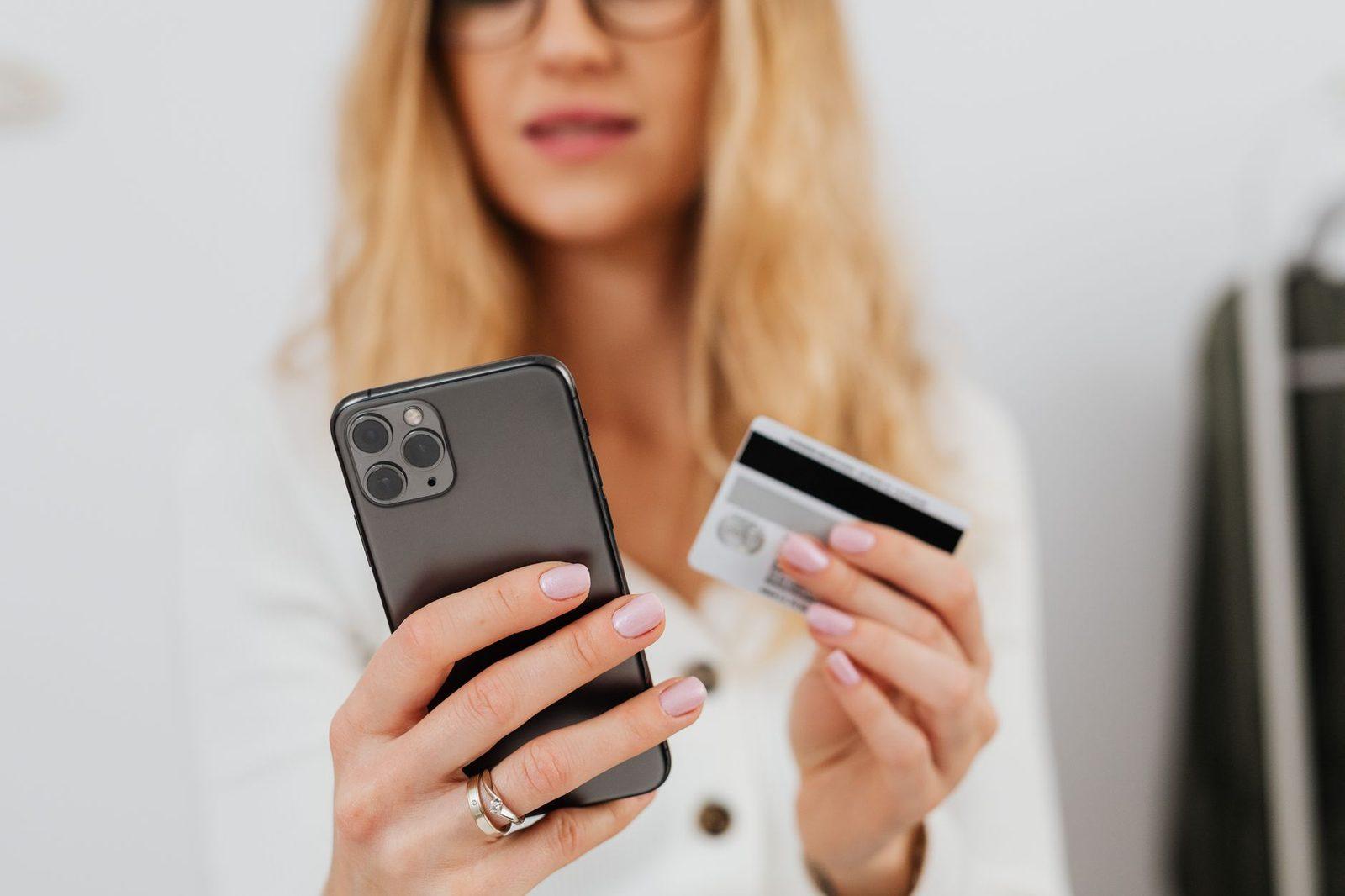
Short answer: a school, a town hall or a school catering provider can legitimately send you text messages — a teacher is absent, an outing is cancelled, a safety alert, a canteen balance reminder. These messages come from a 3xxxx/2xxxx short code or an alphanumeric sender, point you to your usual family portal, and never ask for a bank card inside the text. The moment a "school" message asks you to pay a few euros via a link to "avoid your child being struck off", it's a scam: don't click, forward it to 33700.
Updated 19 October 2026.
There is one category of text message that almost nobody reads with any detachment: the ones about the children. A parent receives several per term, and all of them are believable: "Thursday's swimming trip is cancelled", "Mrs L. is absent, pupils will leave at 3 pm", "Your canteen balance is -€12.40", "PPMS drill tomorrow morning, don't worry if you hear a siren".
Four legitimate messages. All it takes is slipping in a fifth — "Unpaid canteen fees: your child will not be served on Monday. Settle €12.40 here: [link]" — for your guard to drop completely. Because the amount is small, because the subject involves your child, and because the parent is very often walking, driving or working when the message arrives.

Why do the school and the town hall have your mobile number?
Because you entered it yourself on the information form at the start of the year, and because text messaging has become the official channel for school alerts since the general roll-out of the PPMS safety plans (plans particuliers de mise en sûreté).
In September, a parent generally fills in three or four separate forms, each one ending up in a different system:
- the school's information form (name, address, two mobile numbers, employer, people authorised to collect the child);
- the after-school registration with the town hall or the local authority group (canteen, childcare, supervised study, holiday club), including the family income bracket, the benefits reference number and often an IBAN for direct debit;
- the digital workspace or the school life app used by the secondary school (Pronote, EcoleDirecte, the regional education authority's ENT, depending on the area);
- sometimes the parents' association and the school cooperative.
The result: your number circulates across several databases, managed by different bodies, with different technical providers. This is not a glitch, it's how the French after-school system normally works — but it explains why a single parent can receive text messages from four distinct legitimate senders for just one child.
Which school texts are perfectly normal?
| Type of message | Usual sender | Expected content |
|---|---|---|
| Teacher absent, timetable change | School via its SMS provider | Information, no action required |
| PPMS alert or drill, lockdown | School / education authority | Clear instruction, never a payment link |
| Your child's absence | School life office (secondary school) | Request to justify the absence in the digital workspace |
| Canteen balance, booking reminder | Town hall or catering provider | Points to the family portal you know |
| After-school direct debit reminder | Municipal collection office / treasury | Amount, due date, no banking details requested |
| School transport, bus running late | Region or transport operator | Timetable information |
In all these cases, the message informs you or points you to a space you have already used. A genuine school text will not ask you to enter a bank card number within the minute.
What does the fake school text of 2026 look like?
It copies the administrative vocabulary almost word for word, adds a small sum and a threat aimed at the child rather than the wallet.
The variants seen most often this term:
"TOWN HALL: unpaid school catering €14.60. Without payment within 48h, your child's canteen access will be suspended. [link]"
"After-school service: your childcare registration file is incomplete. Complete it within 24h to keep the place: [link]"
"School insurance: your 2026-2027 certificate has not been validated. Settle €1.90: [link]"
"Class photos: your order is blocked, €2.99 delivery charge to be paid: [link]"
All four rely on the same lever as fake customs clearance texts: a sum low enough that you don't bother checking, and a concrete, immediate consequence. We described this micro-amount mechanism in our analysis of fake €2.99 customs fees: the aim is never to pocket the €2.99, but to harvest a complete card number, with expiry date and security code, then trigger a far larger payment validated by a code received by text.
The signs that give the fake away
- The link doesn't point to the portal you know. Municipal family portals are generally hosted on a
.frdomain containing the name of the town, or on a subdomain of the service provider. A shortened link, a.top,.icuor.sbsdomain, or a town name stuck to an English word is a fake. - The sender is an 06 or 07 number. A town hall, an education authority or a catering provider uses a short code or an alphanumeric sender, never a personal mobile. To understand what the displayed sender tells you, see our guide to decoding a short code or an unknown +33 number.
- The message names neither the school, nor the child, nor the town. Genuine school life messages mention the school at the very least.
- It mixes up responsibilities. Being "struck off the canteen list" over €14 doesn't exist: school catering is run by the town council, and an unpaid bill triggers a written reminder, not a suspension by text within 48 hours.
- It arrives on a Friday evening or during the holidays, when no school office is reachable to check.
How to check in under two minutes
The rule is always the same: never check from inside the message. You step out of the text and take a route you already know.
- Open the family portal you normally use from your bookmark or your app, not from the link. If a balance is owed, it will be shown there.
- Call the school office or the after-school service on the number printed in the home-school diary or on the town hall's website.
- Compare with your history: if your genuine school texts always come from a "VIE SCOLAIRE" sender or a 3xxxx number, an isolated message from an 07 belongs to a different world entirely.
- Ask another parent in the class. Smishing campaigns are sent en masse: if it's a scam, the parents' group chat has usually already received it.
- Don't call the number back and don't reply "STOP" to a fraudulent message: STOP only works on a legitimate commercial campaign, and it confirms to a scammer that the line is active.
One practical detail that makes a real difference day to day: many parents receive these messages in the car, at the school gates. A simple car phone holder saves you from making a payment decision at a red light — haste is the real engine behind these scams.
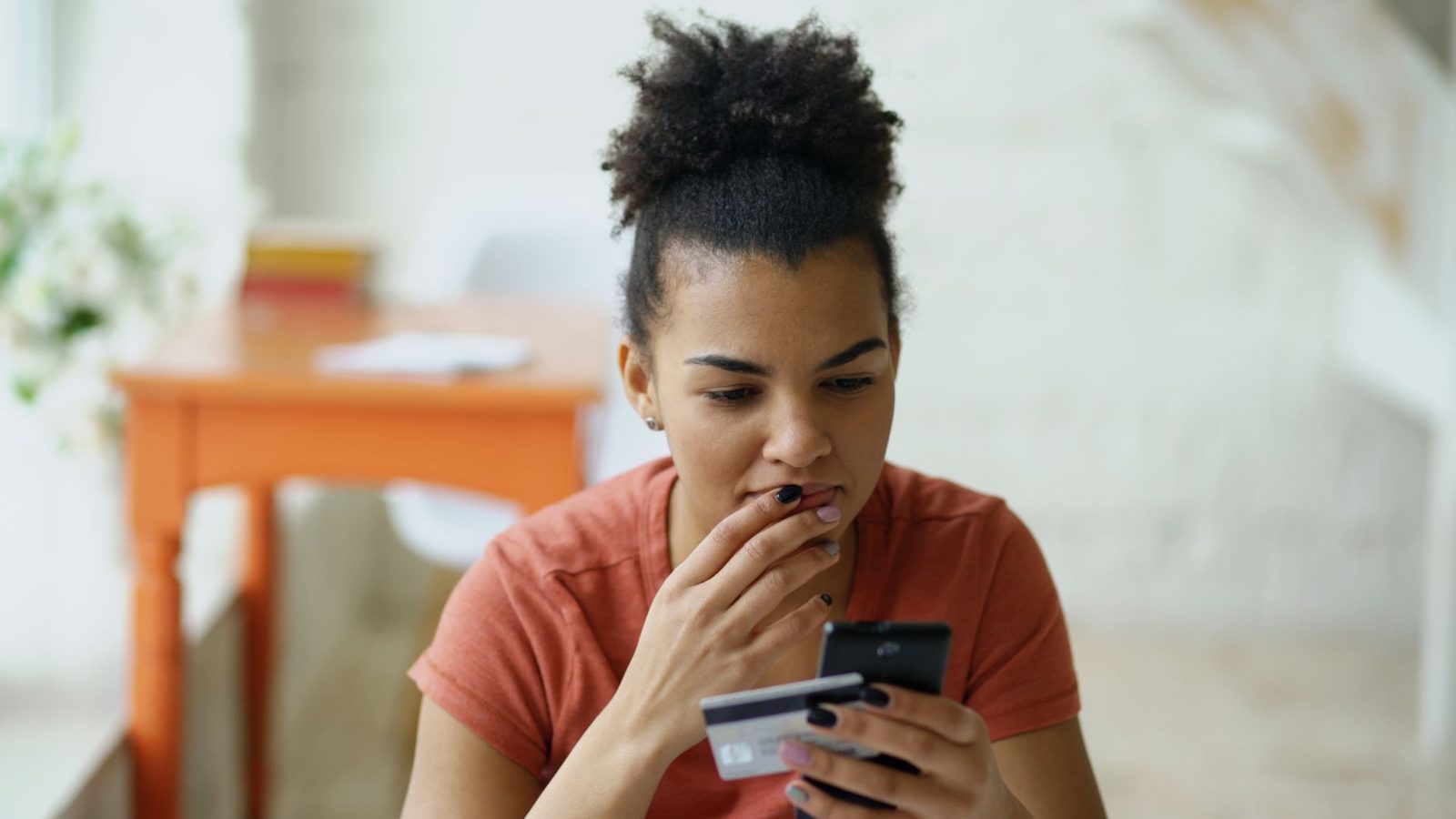
What to do if you clicked or paid
Act in order, without waiting for the fraud to be confirmed.
- If you entered your card details: block the card immediately with your bank (number on the back of the card, or via the app) and refuse any purchase validation you subsequently receive by text or notification.
- If you validated a payment, dispute it with your bank. Articles L133-18 and following of the French monetary and financial code govern the refund of unauthorised transactions: the texts can be consulted on Légifrance.
- File a complaint at a police station, a gendarmerie, or via the Interior Ministry's reporting platform. Keep full screenshots of the text, showing the sender and the timestamp.
- Report the message to 33700: forward the text to 33700, then send the sender's number in the following message, as prompted. The service is free and described on our dedicated page about reporting unwanted texts to 33700.
- Warn the school and the town hall. This is the step parents overlook: a school that has been alerted can send a warning to all families and spare dozens of other victims.
- Watch your accounts for a month, including for small recurring amounts.
Our account of what happens to a report, when you forward a text to 33700, sets out the rest of the chain: number blocking, transmission to operators and to the authorities.
How to cut down on dubious school texts
You can't stop a smishing campaign from targeting an entire town — scammers fire at random across ranges of numbers, with no idea whether you have children. What you can do is reduce the attack surface and the confusion.
- Save the legitimate senders in your contacts: "School – office", "Family portal", "School life". A message from an unsaved sender then becomes immediately suspicious.
- Turn on filtering for unknown senders: on iPhone, Settings → Apps → Messages → Filter Unknown Senders; on Android with Google Messages, Settings → Spam protection. Our guide to iOS and Android messaging settings covers the useful options and the ones that achieve nothing.
- Give only one number to each organisation, and make a note of which one. Multiplying the numbers you declare multiplies the possible senders.
- Pay for the canteen by direct debit or through the portal, never from a link you received. An automatic direct debit instantly destroys the credibility of any "unpaid bill" text.
- Talk about it with your secondary school pupil: from Year 7 onwards, children often have their own phone and also receive supposedly school-related messages. A paper password notebook kept at home, rather than a note in the phone, limits the damage if it's lost. Our guide to text settings for a first phone covers the points to deal with on the day of purchase.
- Check your data rights. The CNIL points out on cnil.fr that contact details collected for school purposes cannot be reused for commercial ends without a legal basis: a marketing approach received after an after-school registration can be met with a subject access request, and then a complaint.
And safety alerts — how do you know if they're genuine?
This is the most sensitive case, because a parent who doubts an alert loses precious time.
Two markers:
- A PPMS alert issued by a school gives an instruction ("do not come to collect your child", "the school is in lockdown") and contains no link. An alert message with a link to click is suspicious by design.
- Official public authority alerts also go out via FR-Alert, the Interior Ministry's population warning system: it appears full screen with a distinctive tone, is not an ordinary text message, and is not personalised to your child. The official presentation is available on the Interior Ministry's website.
If you genuinely have doubts, the reflex is not to click but to call the school — and, if the lines are jammed, to check the town council's or the prefecture's website. A power bank for your phone in your bag avoids the classic situation of the parent on 4% battery at the very moment they need to verify something.
A special case: texts about class photos, books and clothing
Every autumn, families receive messages linked to back-to-school orders: school photos, textbooks, PE kit, the parents' association calendars. These campaigns genuinely exist, and that is precisely what makes the fakes credible.
Three simple rules:
- An order placed on paper at the school almost never generates a text asking for online payment.
- An order placed on a school photographer's website is verified by logging back into the site, using the code printed on the slip handed out by the teacher.
- An "additional charge" demanded after the event is the most common scam scenario in this category — identical to fake subscription renewals.
If you want to keep all of these approaches at arm's length, the dedicated number method remains the most effective: one number for family and friends, another for registrations and orders. We set it out in detail in a second number for everything that isn't your family and friends. A simple button mobile phone is more than enough for this second use, and it doesn't click on anything.
FAQ
Can a school really suspend canteen access by text over an unpaid bill?
No. School catering is a municipal service: an unpaid bill leads to a written reminder from the billing department or the collection office, then possibly to an enforcement order. No suspension is ever decided by a text message with a payment link within 48 hours.
My school's texts come from a short code: is it premium rate?
No, receiving a text from a 3xxxx or 2xxxx short code used by a school or a town hall is free for you. Premium rates apply to certain services where you send a message to a chargeable short code, which is not the case with a school alert.
Should you reply STOP to an unwanted school text?
Reply STOP only if the message comes from an identifiable commercial campaign (an association, a provider, a school supplies shop). For a fraudulent message, reply nothing at all: forward it to 33700 and delete it.
My child clicked on a link received "from the school": what should I do?
Have them change the password for their school account and their email from another device, check that no payment method is saved on the phone, and report the message to 33700. If they entered bank card details — usually yours — block the card immediately.
How can I find out who really sent a text displayed as "TOWN HALL"?
An alphanumeric sender is simply a label, which the sender can change at will: it proves nothing. You check by calling the town hall back on the number shown on its official website, never on the number given in the message.