Introduction: The Blind Spot of Our Mobile Security
In 2026, we live in the illusion of total and secure connectivity. We have automated our exchanges, migrated to rich interfaces, and adopted smartphones capable of processing billions of operations per second. Yet, a gaping hole persists in our digital daily lives: the persistence of unencrypted messages.
While the general public focuses on AI features integrated into keyboards or video call quality, security agencies like CISA (Cybersecurity and Infrastructure Security Agency) are sounding the alarm. The problem is no longer just the lack of encryption on the old SMS protocol, but the way we switch—often without knowing—between secure channels and open channels. This protocol instability creates a "gray zone" where our personal data, two-factor authentication (2FA) codes, and professional secrets are exposed.
The Anatomy of an Interception: How Your Messages Are Read
To understand why an unencrypted message is dangerous, we must move beyond the simplistic vision of a "hacker hacking a phone." Interception often occurs before the message even reaches the recipient's device.
The Structural Vulnerability of the SS7 Protocol
Classic SMS relies on the SS7 (Signaling System No. 7) protocol, a standard designed in the 70s to allow operators to communicate with each other. At the time, trust was the keyword: it was assumed that only legitimate actors (telecom operators) had access to this network.
In 2026, this trust is obsolete. SS7 flaws still allow malicious actors, or certain intelligence services, to divert SMS traffic. By spoofing the identity of a network switch, an attacker can request the transfer of messages from a specific number to their own terminal. The result? The message is intercepted, read, and forwarded to the original recipient without anyone noticing.
The "Downgrade Attack" Trap
This is where the risk becomes insidious with the arrival of RCS. Imagine that you and your contact are both using RCS with end-to-end encryption. However, if one of you loses data connection or if the operator network forces a switch to "text only" mode, the smartphone may automatically switch the message to a classic SMS to guarantee delivery.
This transparent transition is a convenience for the user, but a gift for the interceptor. An attacker can simulate an RCS network failure to force the phone to send the message via the unsecured SMS channel. This is what is known as a downgrade attack.
Why is SMS Still Used Despite the Risks?
One might wonder: why continue to use such a vulnerable protocol in 2026? The answer lies in universality and infrastructure.
| Feature | SMS (Classic) | RCS / Encrypted Messengers |
|---|---|---|
| Compatibility | Universal (all mobiles) | Depends on OS and Data |
| Dependency | GSM Network (Voice) | IP Network (Internet) |
| Security | None (Readable by operator) | High (if E2EE enabled) |
| Reliability | Very high (network priority) | Variable depending on connectivity |
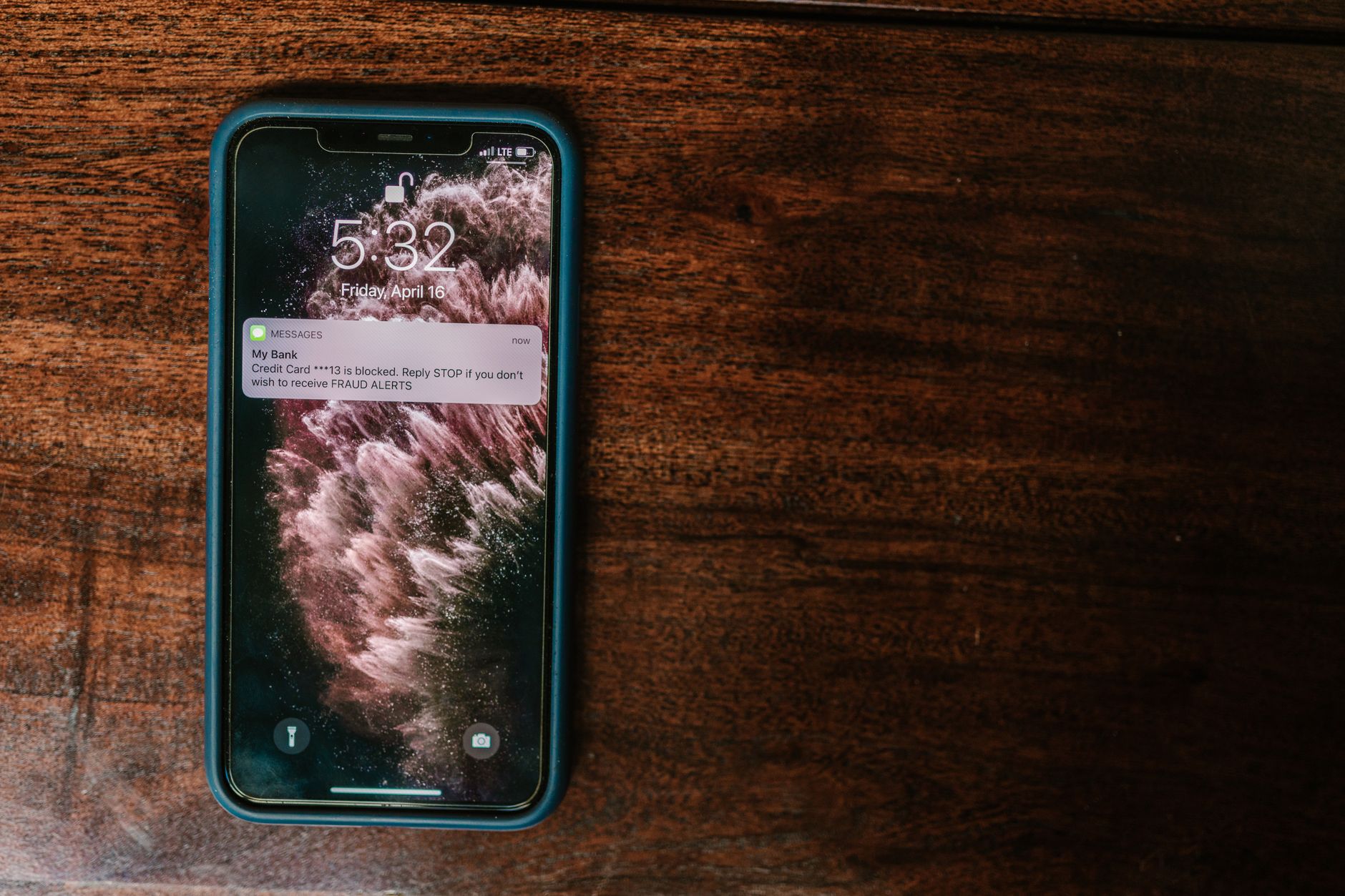
SMS remains the global "safety net." This is why banks and government services continue to use it for sending validation codes, despite repeated warnings from ANSSI or CISA. Intercepting a simple validation SMS can be enough to compromise a bank account via a SIM swapping technique.
Concrete Consequences of the Lack of Encryption
Message interception is not just a theoretical threat for spies or politicians. It affects the average citizen in three main ways:
- Commercial and Industrial Espionage: Sensitive information sent quickly via SMS between colleagues can be captured by competitors using network interception tools.
- Digital Identity Theft: As mentioned, SMS is the weak link in two-factor authentication. Intercepting the code received by SMS allows bypassing the security of many online services.
- State and Administrative Surveillance: Without end-to-end encryption, your messages are stored in plain text or encrypted with keys held by the operator. This means that any legal request (or abusive surveillance) allows access to all your exchanges without you being informed.
How to Protect Yourself in 2026: Survival Guide
Faced with these threats, the solution is not to stop communicating, but to become aware of the channel being used. Here are the essential steps to secure your exchanges.
1. Audit Your Messaging Apps
Do not rely on the appearance of the application. Check the settings to see if "End-to-End Encryption" is enabled by default. On Google Messages or iMessage, ensure the conversation displays the encryption indicator (often a lock icon or a specific mention in the contact details).
2. Abandon SMS for Two-Factor Authentication (2FA)
This is the most critical piece of advice. Replace codes received by SMS with:
- Authentication apps (Google Authenticator, Authy, Bitwarden).
- Physical security keys (YubiKey).
- The Passkey protocol, which completely eliminates the need for a code transiting through the mobile network.
3. Use "Zero-Knowledge" Messengers
For truly sensitive conversations, prioritize tools whose business model does not rely on data management and that use open and auditable protocols (such as the Signal protocol). The advantage of these apps is that they do not offer a "fallback" to SMS without explicitly alerting you.
Conclusion: Toward Proactive Digital Hygiene
The convergence between iPhone and Android via RCS is a victory for ergonomics, but it masks a complex technical reality. The danger no longer comes solely from the absence of technology, but from the coexistence of secure and obsolete technologies within the same interface.
In 2026, security can no longer be an option enabled by default by the manufacturer; it must become a user skill. Knowing when a message is "simply sent" and when it is "truly encrypted" is the only effective barrier against interception. SMS, despite its nostalgia and simplicity, must now be viewed as a postcard: anyone can read it during transit. For everything else, demand encryption.